The world is constantly shifting, and the way people make decisions on which private healthcare practitioner to choose is, too. As a Digital Marketing Agency, we have long advocated Social Media Marketing and SEO as crucial lead-generation tools for private healthcare professionals.
However, they have found many of their clients in the healthcare industry struggle to create engaging content while protecting patient confidentiality.
At Brandlective, we believe in finding the perfect balance between professionalism and personality while maintaining anonymity for patients and clients.
“There is a growing demand from people to see a more human side of their healthcare professionals, so social media marketing is a great way to achieve that. There are some really lovely ways to draw attention to private healthcare clinics while also maintaining a high level of professionalism,” says Stacey Kehoe, Director of Communications at Brandlective.
Here we are sharing 15 social media post ideas that are tried-and-tested to help you overcome these challenges and captivate a new audience online.

-
Patient Stories (with consent)
Share anonymised patient stories highlighting the journey from diagnosis to treatment and recovery. This can showcase the impact healthcare professionals have on patients’ lives. People love hearing positive accounts, especially if they are considering using the services of a particular healthcare provider.
Personal anecdotes inspire others and showcase the provider’s expertise and compassion. These stories can be presented in a way that doesn’t break patient confidentiality and can easily be posted anonymously.
They could include:
- Success stories: Share stories of patients who have overcome difficult medical conditions or achieved significant health milestones. This can inspire and motivate others who may be going through similar challenges.
- Testimonials: Feature patients who have had a positive experience with your healthcare practice or a specific treatment. Their testimonials can help build trust and credibility among your social media followers.
- Personal journeys: Highlight the personal journeys of patients who have experienced a significant health transformation. These stories can highlight the importance of early detection, preventive care, or lifestyle changes.
- Education and awareness: Share stories that raise awareness about specific health conditions or diseases. These stories can provide insights into the challenges faced by patients and promote understanding and empathy among your audience.
- Community impact: Showcase patients who have actively contributed to their communities or participated in healthcare-related initiatives. These stories can inspire others to get involved and make a positive impact in their own communities.

-
Expert Tips and Advice
Share valuable health tips and advice related to your expertise in your social media posts. This establishes your credibility and positions you as a trusted source of information. You don’t need to use specific patient information; and you can be creative by adding images or videos.
Social media post ideas:
➡️ Protect your skin from harmful UV rays by wearing sunscreen with a high SPF, seeking shade, and wearing protective clothing, especially during peak sun hours.
➡️ Stay up to date with recommended vaccinations to protect yourself and others from preventable diseases.
➡️ Regularly check your body for any changes or abnormalities, such as new moles or skin lesions, and report them to a healthcare professional for evaluation.
➡️ Regular physical activity is crucial for maintaining good health. Aim for at least 150 minutes of moderate-intensity exercise or 75 minutes of vigorous activity every week.
➡️ A balanced and nutritious diet plays a vital role in overall well-being. Include a variety of fruits, vegetables, whole grains, lean proteins, and healthy fats in your meals.
➡️ Adequate hydration is essential for optimal bodily functions. Drink enough water throughout the day to stay hydrated and support various bodily processes.
➡️ Prioritise mental health by practising stress management techniques, such as meditation, deep breathing exercises, or engaging in hobbies that bring you joy.
➡️ Get enough quality sleep each night to allow your body to rest and recharge. Aim for 7-9 hours of uninterrupted sleep for adults.
➡️ Quit smoking and avoid exposure to secondhand smoke. Smoking is a major cause of various diseases, including lung cancer and heart disease.
➡️ Practice safe sex by using barrier methods such as condoms to prevent sexually transmitted infections (STIs).
➡️Limit alcohol consumption and avoid excessive drinking. If you choose to drink, do so in moderation and know your limits.
Remember to engage with your audience on social media. Responding to comments and questions shows that you are actively involved and interested in their well-being, making them more likely to seek your services.

-
Celebrate Milestones
Acknowledge and celebrate milestones by regularly posting events such as anniversaries or achievements of your healthcare practice. This humanises your brand and creates a sense of community. Clients, staff, and patients can agree in advance if they wish to be part of the celebratory post, which protects their privacy.
As a Healthcare Professional, you could celebrate:
- Birthdays
- New accreditations
- Workplace anniversaries
- Breakthrough treatments
- X number of years since (insert research) was discovered
- Team promotions
- Holidays

-
Addressing Common Health Concerns
Health issues affect us all so you can use social media platforms to provide clarity and reassurance through posts by tackling everyday health worries head-on. There are loads of options here! You could discuss the importance of self-care and offer suggestions on prioritizing mental health.
Another idea is to address concerns about nutrition and diet by sharing information on healthy eating habits and debunking common myths.
Addressing these common health concerns can empower your audience to make informed decisions about their well-being. And it need not be boring …brainstorm some creative ideas with your team to keep the posts punchy and unique.
Other ideas include:
➡️ Physical fitness: Encouraging followers to exercise regularly and highlighting the benefits of staying active, such as improved cardiovascular health, stress reduction, and better sleep.
➡️ Sleep hygiene: Discussing the importance of quality sleep and providing tips for establishing a healthy sleep routine, such as avoiding screens before bed and creating a relaxing sleep environment.
➡️ Substance abuse prevention: Raising awareness about the dangers of drug and alcohol abuse and offering information on support groups, treatment centers, and helplines for those struggling with addiction.
➡️ Sexual health: Promoting safe sex practices, encouraging regular check-ups, and providing information about contraceptives, STI testing, and reproductive health services.
➡️ Hydration and water intake: Educating followers about the benefits of proper hydration, such as improved digestion, clearer skin, and increased energy, and providing tips for increasing water intake.
➡️ Body positivity and self-acceptance: Sharing messages of self-love, promoting body diversity, and encouraging followers to embrace their unique qualities.
➡️ Chronic disease management: Providing information and resources for individuals with chronic illnesses such as diabetes, asthma, or heart disease, including tips for managing symptoms, medication adherence, and seeking medical support.

-
Behind-the-Scenes Glimpse
To promote your best assets, why not offer a sneak peek into your practice? Showcase your team, (with their permission) facilities and equipment. This helps build trust and transparency with your audience, giving them a sense of familiarity.
Here are some ideas for Behind-the-Scenes content for your healthcare practice:
➡️ Day in the Life: Document a typical day for a healthcare professional. This can include preparing for appointments, interacting with patients, collaborating with colleagues, and handling administrative tasks.
➡️ Procedure Walkthroughs: Provide step-by-step explanations of medical procedures, surgeries, or treatments. Use visuals, diagrams, or animations to help the audience understand the process.
➡️ Emergency Preparedness: Discuss how healthcare professionals are trained and prepared to handle emergencies, disasters, and unexpected situations.
➡️ Cultural Competence: Address the importance of cultural competence in healthcare, and share strategies for providing inclusive and respectful care to diverse patient populations.
➡️ Behind-the-Scenes with the Admin Team: Give your patients a glimpse into the administrative side of your practice by spotlighting team members responsible for scheduling, billing, and record-keeping.
➡️ Provider-Patient Relationships: Share heartwarming stories or anecdotes that highlight the strong connections between your staff and patients. This can showcase the caring nature of your practice.

-
Interactive Quizzes
Everyone loves a quiz! Why not engage your audience with health-related quizzes or trivia?
This not only educates them but also encourages them to interact with your content, boosting your social media engagement. And it’s a fun way to promote your brand.
Examples of Healthcare Quizzes for Social Media:
➡️ Health Knowledge Quizzes: Create quizzes that test your audience’s general health knowledge. Ask questions about common medical conditions, preventive measures, and healthy lifestyle choices.
➡️ Myth vs. Fact Quizzes: Address common misconceptions about health and medicine. Present a statement and ask your audience to determine if it’s a myth or a fact.
➡️ Healthy Habits Quizzes: Craft quizzes that assess your audience’s understanding of healthy habits, such as proper nutrition, exercise, sleep hygiene, and stress management.
➡️ Medical Terminology Quizzes: Test your audience’s knowledge of medical terminology. Provide them with medical terms and ask them to match them with their correct definitions.
➡️ First Aid Quizzes: Create quizzes that cover basic first aid knowledge. Ask questions about how to respond to common injuries or emergencies.
➡️ Healthy Aging Quizzes: Create quizzes that provide tips and information about healthy ageing, addressing concerns like bone health, cognitive fitness, and staying active.
Remember to keep the quizzes light-hearted, informative, and aligned with your healthcare practice’s values and expertise. Additionally, consider providing explanations and additional information after revealing the quiz answers to enhance the educational value of the content.

-
Share educational content
Whatever your speciality: Mental Health Clinic, Autism/ADHD Neurodiverse Specialist, ACL & Shoulder Surgeon, or Ear, Nose & Throat Specialist, you possess a wealth of knowledge.
Use your social media platforms to educate your audience about common health conditions.
You can easily steer clear of sensitive information and focus on the latest advancements in your specific sector; here are some ideas:
➡️ Autism and ADHD research: Explain what charities are doing for this field of study and anything new that has been discovered
➡️ Tips for preventing sports injuries: Provide simple advice on how to look after yourself when exercising
➡️ Ways to maintain good ENT health: Tips and tricks on how to keep your ear, nose and throat in tip-top condition
➡️ Latest technological advancements: Explain some new technology used in various areas such as imaging or operating theatres.
➡️ Continuing Education and Training: Highlight staff members’ dedication to staying up-to-date with the latest medical advancements by showcasing their participation in training and conferences.
By sharing valuable information, you position yourself as a trusted resource and build credibility.

-
Educational Videos
A useful tool for creating social media content is short videos explaining common health conditions or treatment options. Short videos have become increasingly popular and are a super effective way to capture people’s attention and convey information quickly.
By using simple language and captivating visuals, these videos have the power to unravel complicated medical jargon, making it more accessible to a broader audience.
What’s more, visual representations can bring health conditions and treatment options to life, helping people better understand and comprehend them.
This approach not only imparts knowledge to the viewers but also empowers them to become active participants in their own healthcare journey.
Some video examples for your social media could include:
Infection Control Best Practices in Healthcare Settings – This educational video could focus on the importance of infection control measures in healthcare settings. It covers topics like hand hygiene, proper use of personal protective equipment (PPE), and disinfection protocols.
Recognising Signs of Burnout and Strategies for Self-Care – Burnout is a prevalent issue among healthcare professionals, and this video aims to raise awareness and provide strategies for managing and preventing burnout. It discusses the signs and symptoms of burnout, explores the impact on personal well-being and patient care, and suggests practical self-care techniques and resources.
Understanding Mental Health Stigma in Healthcare – This video could discuss reducing mental health stigma within the healthcare profession. It educates healthcare professionals about common misconceptions surrounding mental health, the impact of stigma on patients, and strategies to create a more supportive and inclusive healthcare environment.

-
Testimonials
Reviews and testimonials are invaluable and are often the first port of call when considering buying a product or service.
Testimonials and excellent reviews instil trust and confidence in your services and will go a long way in attracting potential clients to your practice.
Imagine the way your client would feel reading a social post like this:
—
Meet Mark, a patient who experienced a remarkable transformation in his health and well-being through chiropractic care.
Mark’s Story:
Mark had been living with chronic back pain for years, and it was taking a toll on his daily life. He had tried various treatments with limited success and was starting to lose hope.
The Chiropractic Solution:
That’s when Mark decided to explore chiropractic care. Our dedicated chiropractor, Dr. Johnson, assessed his condition and developed a tailored treatment plan.
Life-Changing Results:
Since starting chiropractic care:
✨ Pain Relief: Mark’s chronic back pain has significantly improved.
💪 Mobility: He’s regained flexibility and can move with ease.
😃 Quality of Life: Mark’s overall well-being has soared.
Why Chiropractic Care Matters:
Mark’s experience underscores the importance of chiropractic care in managing pain and improving the quality of life. Dr. Johnson’s expertise and compassionate care made all the difference.
Join Mark in His Journey:
If you or someone you know is struggling with chronic pain, consider chiropractic care. It’s more than pain relief; it’s a path to a healthier, happier life.
📩 Contact Dr. Johnson Today: [Insert Contact Information/Link]
Thank you, Mark, for sharing your inspiring journey toward better health through chiropractic care. Your story is a testament to the transformative power of holistic healthcare.
#ChiropracticCare #PainRelief #HolisticHealth #PatientSuccessStory
—
This post showcases the positive impact of chiropractic care on a patient’s life, encouraging healthcare professionals to consider chiropractic as an essential component of holistic healthcare.
Sharing testimonials on social media is a great way to build trust and credibility for your healthcare practice. However, it’s important to prioritise patient privacy and adhere to ethical guidelines.
Here’s how you can share healthcare testimonials without disclosing your clients’ details:
➡️ Obtain Consent: Before sharing any testimonials, ensure you have obtained explicit consent from the patients. Clearly explain how their testimonial will be used and where it will be posted.
➡️ Anonymise Testimonials: Remove or replace any personally identifiable information (PII) from the testimonials. Use only first names or initials, and avoid mentioning specific medical conditions or treatments that could identify the patient.
➡️ Use General Statements: Focus on the overall experience and outcomes of the treatment rather than specific details. For example, “I had a great experience at [Practice Name], and the team was incredibly supportive throughout my journey.”
➡️ Highlight Benefits: Emphasize the benefits and positive outcomes of the treatment or services provided without divulging specific health details. For instance, “I feel more energetic and confident after I visit [Practice Name].”
➡️ Avoid Specific Dates: Refrain from mentioning specific dates or timelines that could lead to the identification of the patient. Instead, use general time frames like “recently” or “a few months ago.”
➡️ Focus on the Provider: Highlight the professionalism, expertise, and care provided by the healthcare professionals at your practice. This puts the emphasis on the quality of care rather than individual patient experiences.
➡️ Share Third-Party Reviews: If your practice has received reviews on platforms like Google Reviews or Trustpilot, you can share these reviews directly without needing to anonymize them.
➡️ Use Pseudonyms: If appropriate, use fictional names or pseudonyms to refer to patients in the testimonials.
➡️ Highlight Diversity: Use testimonials that represent a diverse range of patients. This helps protect the privacy of individual patients while showcasing a variety of experiences.
Remember that maintaining patient confidentiality is paramount. Always review your content and testimonials to ensure they align with privacy regulations and your practice’s ethical standards.
-
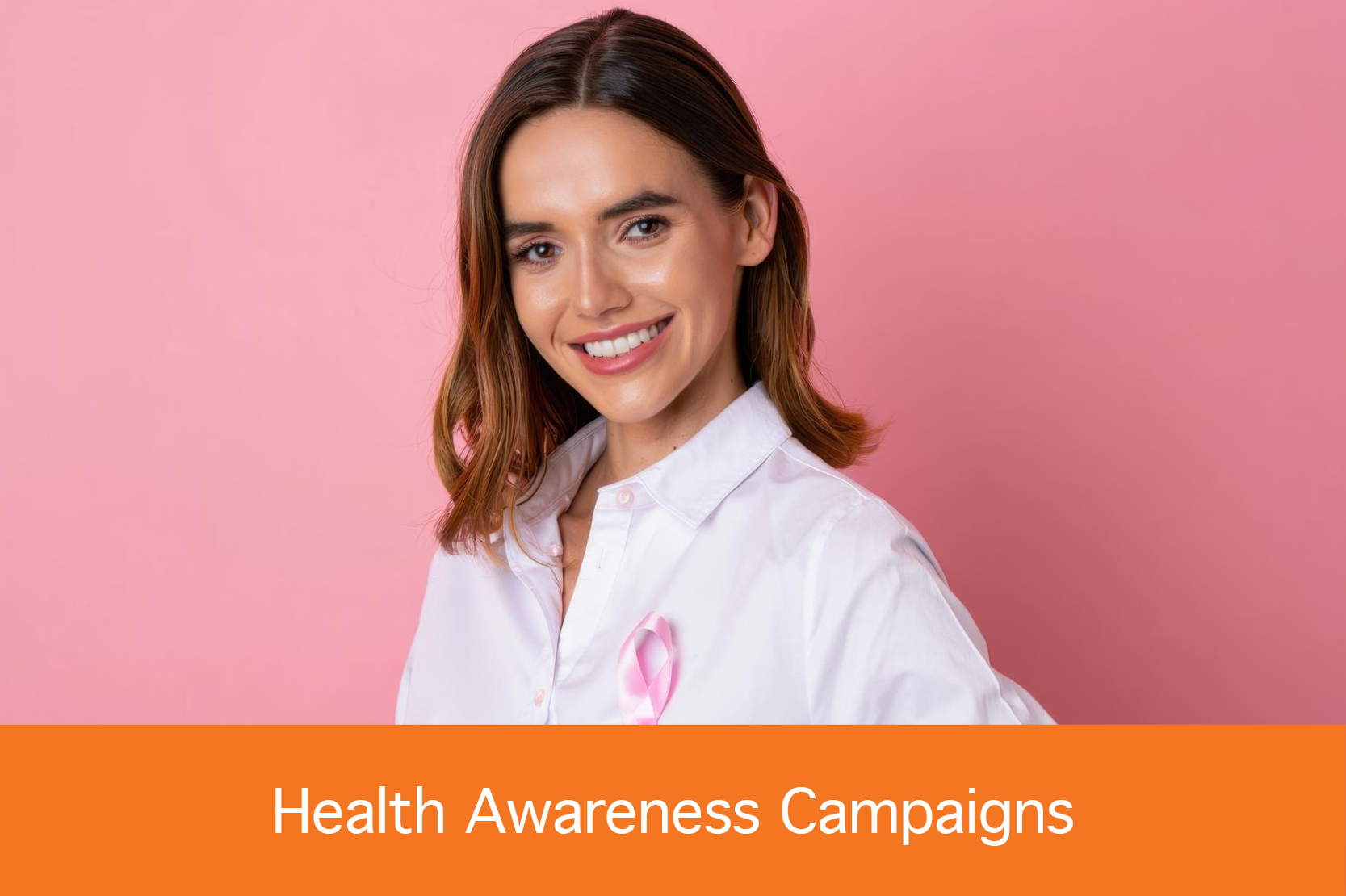
Health Awareness Campaigns
Why not start a social media awareness campaign?
You could create a post that raises awareness about specific health issues or participate in national health observances. This demonstrates your commitment to public health and positions your practice as socially responsible.
Alternatively, piggyback on some national awareness days/months.
Here’s an example of a social media post for Movember from a private GP’s perspective, incorporating a personal story:
—
This Movember, I want to share a personal story that underscores why men’s health matters so much to me as a private GP.
A few years ago, I had a patient named John. He was a vibrant, caring father and husband, but he often put his own health on the back burner. It was a routine check-up that changed everything. We discovered an early sign of prostate cancer.
John’s willingness to take that check-up seriously, even though he felt fine, made all the difference. We caught the cancer in its early stages, and John received timely treatment. Today, he’s a cancer survivor and a strong advocate for men’s health.
Movember is a reminder that men’s health isn’t just about physical well-being; it’s about being there for your loved ones. It’s about early detection and open conversations that can save lives.
🧔 Join Us in Making a Difference:
- Schedule your check-up today.
- Talk openly about your health concerns.
- Support organisations working toward better men’s health.
💪 Together, We Can Save Lives.
Let’s stand together for men’s health this Movember and beyond. Your health, and the health of those you love, matters!
#Movember #MensHealth #EarlyDetection #PersonalStory #PrivateGP
—
This social media post combines the importance of Movember with a personal story of a patient’s early cancer detection, highlighting the impact that proactive health measures can have on individuals and their families. It encourages readers to take action and emphasises the role of private GPs in men’s health advocacy.
Like this idea?
Here are some of our favourite Health Awareness Campaigns:
➡️ Breast Cancer Awareness Month (October): An annual campaign focused on raising awareness about breast cancer, promoting early detection through regular screenings, and providing information about treatment options and support for those affected.
➡️ World AIDS Day (December 1st): A global campaign to raise awareness about HIV/AIDS, reduce stigma, and promote prevention, testing, and access to treatment for those living with HIV.
➡️ Movember: An initiative that takes place during November to raise awareness about men’s health issues, particularly prostate cancer, testicular cancer, mental health, and suicide prevention. Participants often grow moustaches to show their support.

-
Infographics
Infographics are highly visual and visually appealing, making them more likely to grab the attention of social media users who are scrolling through their feeds. They can help your posts stand out and make a strong first impression.
Infographics are highly shareable and can help increase your brand’s reach.
Here are some ideas for different Infographics that may work for your Healthcare Practice:
➡️ Medical Procedures: Break down complex medical procedures or surgeries step by step. Use visuals to explain the process, potential risks, and expected outcomes.
➡️ Health Statistics: Present statistics and data related to health issues, disease prevalence, or healthcare trends. Visualizing data can make it more understandable and impactful.
➡️ Healthy Lifestyle Tips: Create infographics that offer practical tips for maintaining a healthy lifestyle, including exercise routines, balanced nutrition, and stress management.
➡️ Disease Prevention: Illustrate ways to prevent specific diseases, such as heart disease, diabetes, and cancer, through lifestyle changes and risk reduction strategies.
➡️ Mental Health Awareness: Educate about mental health conditions, symptoms, and coping strategies through visually engaging infographics.
➡️ Allergies and Sensitivities: Educate about common allergies, their triggers, symptoms, and available treatments.
➡️ Emergency Contact Information: Design infographics with emergency contact information, such as local hospitals, clinics, and hotlines for different health concerns.

-
Staff Spotlights
Introduce your team members individually by sharing their stories and expertise. This personal touch adds a human element to your practice, making it more relatable. Staff are usually very willing to share their stories to help promote their company.
➡️ Meet the Doctor: Introduce your doctors with a spotlight post that includes a brief bio, their medical specialties, interests, and a fun or personal fact. Highlight their dedication to patient care.
➡️ Nurse/Nurse Practitioner Feature: Spotlight a nurse or nurse practitioner sharing their role in patient care, experience, and commitment to providing compassionate healthcare.
➡️ Reception Staff Appreciation: Highlight your receptionist or front desk staff, emphasising their friendly demeanour, organizational skills, and the important role they play in making patients feel welcome.
➡️ Medical Assistant Showcase: Introduce your medical assistants, describing their contributions in preparing patients for exams, assisting doctors, and ensuring a smooth patient experience.
➡️ Community Engagement: If your staff members participate in community outreach or health education events, showcase their involvement and commitment to promoting health beyond the clinic.
➡️ Health Tips from the Experts: Each week, feature a different staff member providing a health tip or advice related to their area of expertise. This can be a valuable educational resource for your patients.

-
Ask the Expert
Host live Q&A sessions or invite your followers to submit questions on various health topics.
This fosters engagement and allows you to showcase your industry knowledge. It allows potential service users to gather all the information they need to make an informed choice about using your service.
Here are some questions you could address:
What are some effective strategies to manage stress and prevent burnout in the healthcare industry? A short explanation with a few actionable points.
Can you suggest the best practices for maintaining a healthy work-life balance as a healthcare professional? An anecdote or a few personal recommendations.
Could you recommend some evidence-based techniques or exercises to improve mental health and well-being for healthcare workers? Suggestions that have helped you maintain positive mental health
What are some key tips for healthcare professionals to effectively communicate with patients and their families during difficult medical situations? Based on experience, explain some positive ways you communicate with families and patients.

-
Patient Resources
Share downloadable resources, such as e-books or whitepapers, that provide valuable information on specific health topics. This positions your practice as a go-to resource for comprehensive healthcare information.
Choose interesting subjects that will resonate with the audience, helping them remember the content.
➡️ The Complete Guide to Healthy Eating Habits: An informative ebook that provides practical tips on eating healthily and getting into shape.
➡️ Fitness Fundamentals: A beginner’s guide to exercise provides advice on how to exercise effectively and offers information on creating a balanced and nutritious diet.
➡️ A Holistic Approach to Stress Management: Discover effective stress management techniques and holistic methods to improve overall well-being in this white paper.
➡️ Living well with chronic pain: An interesting white paper offering advice on managing pain and getting it under control.

-
Health Humour
Just because you are a healthcare provider doesn’t mean you can’t utilize humour in your social media content. Inject some lightheartedness into your posts by sharing health-related jokes or memes.
This shows your audience that you can have personality while maintaining professionalism.
➡️ Play on Words: Use puns or wordplay related to medical terms, conditions, or health topics. Clever wordplay can be entertaining and educational at the same time.
➡️ Meme Marketing: Create healthcare-themed memes that resonate with your audience’s experiences and bring a smile to their faces.
➡️ Health Observances with a Twist: Connect health observances or awareness months with humorous content. For example, for National Nutrition Month, share a funny graphic about the struggles of choosing between salad and pizza.
➡️ Incorporate Animals: Cute or funny animal-related content that ties into health themes can be a hit. For example, a cat “dispensing” health advice or a dog with a stethoscope.
➡️ Patient-Focused Humor: Share relatable content that patients can connect with, such as jokes about waiting rooms, doctor’s visits, or health-related Google searches.
➡️ Self-Deprecating Humor: Lightly poke fun at common misconceptions or stereotypes about healthcare practices. This can show that your practice doesn’t take itself too seriously.
➡️ Celebrate Fun Holidays: Participate in lighthearted holidays like “National Tell a Joke Day” or “World Smile Day” with humorous content.
Our Healthcare Client Case Studies
- Boosting Website Traffic for Psicon through SEOMark R.2025-12-17T13:35:15+00:00
Boosting Website Traffic for Psicon through SEO
- Increased Website Traffic through SEO TacticsMark R.2025-08-14T12:22:40+00:00
Increased Website Traffic through SEO Tactics
- Lead Generation for Onebright through Google AdsMark R.2025-04-02T14:20:24+00:00
Lead Generation for Onebright through Google Ads
- Cobalt Bay Eyecare Embrace Modern Design with New WebsiteZoe R.2024-09-03T15:50:38+00:00
Cobalt Bay Eyecare Embrace Modern Design with New Website
- How to Achieve 189% Increase in 1st Page RankingsStacey K.2025-08-14T15:38:25+00:00
How to Achieve 189% Increase in 1st Page Rankings