Welcome to your July 2026 Marketing Disruptor — If you’ve been paying attention, you’ve noticed something: digital marketing just got harder.
Not because the platforms are bad. But because they’re all becoming different. Instagram’s playing by different rules than TikTok. LinkedIn wants video now. Google’s cracking down on shortcuts. And Reddit? It quietly became essential for certain audiences while everyone was looking elsewhere.
We’ve been doing this for 13 years. We’ve seen the cycles. But this one’s different—it’s not just an update. It’s a fragmentation.
The one-size-fits-all content strategy is officially dead. Platform-specific is non-negotiable now.
Here’s what changed in the past 30 days, what it means, and how you should be preparing.
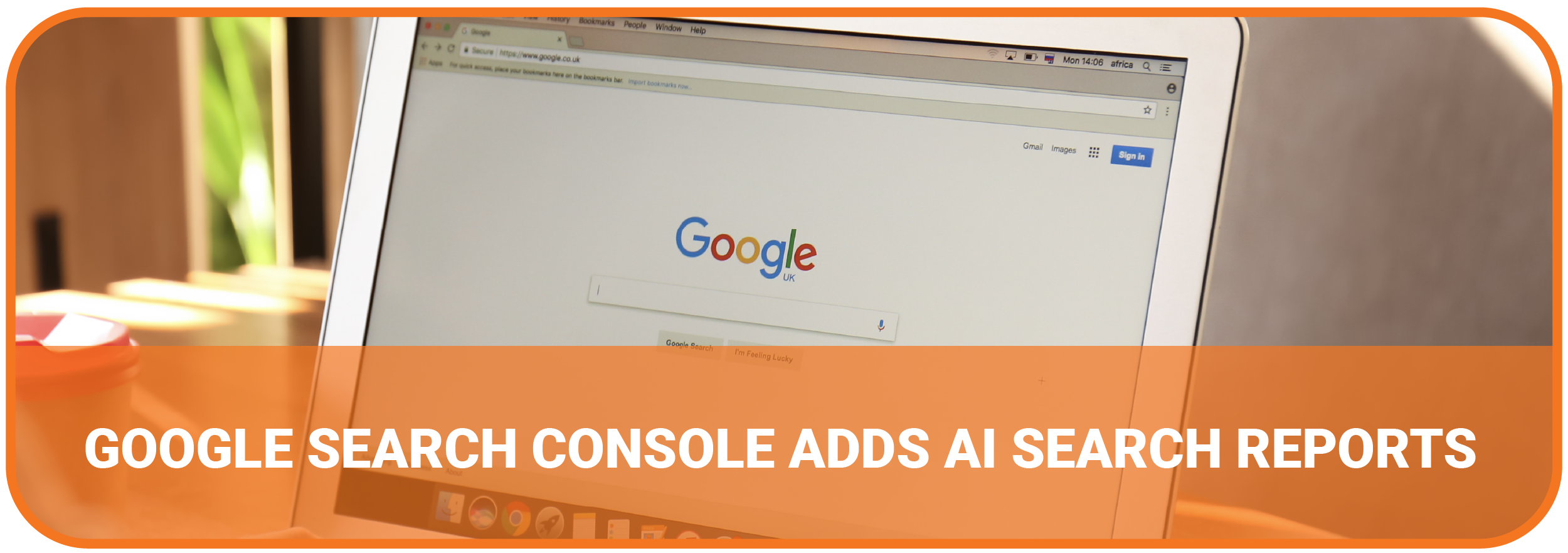
Google Search Console Adds AI Search Reports
Google has started showing a brand-new report in Search Console that tells you how often your website appears in AI answers — specifically, AI Overviews (the AI summary at the top of the results) and AI Mode. For the first time, you can see your impressions in these AI experiences broken down by page, country, device, and date. It rolled out on June 3, 2026, and is gradually reaching websites.
NB: For now, it only shows how often you appeared, not clicks or click-through rate, so you can see your visibility but not yet how much traffic it sends you.
For marketers, this finally closes a big blind spot. Until now, there was no official way to know if AI search was even mentioning your brand.
Actions to take:
You should check Search Console to see if the report has reached your account and start tracking your AI impressions as a new baseline metric alongside your regular organic rankings. It’s also a signal to stop treating “page-one rankings” and “AI visibility” as the same thing, because they’re not.
While you’re in there, note there’s also a new toggle to block your content from AI features entirely — but be careful, opting out forfeits all AI traffic and impressions!

LinkedIn Cracks Down On Low-Value AI Content
LinkedIn is now actively reducing the reach of posts that look like they were churned out by AI with no real human input. Using a new system, it can spot the tell-tale signs of generic AI writing:
- Predictable structure
- Overly polished grammar with no personality
- Lack of personal stories or specific examples
It also watches behaviour. If you “post and ghost” (publish and disappear without engaging), or your posts only attract shallow one-word comments, the algorithm reads that as low-value and limits your distribution further.
Actions to take:
This matters because many LinkedIn creators have leaned on AI to mass-produce LinkedIn posts, and that shortcut is now working against them. You don’t need to stop using AI, but you do need to make content unmistakably human: add real results, specific examples, personal anecdotes, and a clear point of view that AI can’t fake.
Just as important, stick around after you post to reply to comments and spark genuine conversation, because dwell time, saves, and substantive comments are exactly what LinkedIn is now rewarding.

ChatGPT Ads Opens Up – Audience & Creative Tools
OpenAI is building out its advertising platform inside ChatGPT, and around mid-June 2026, it published terms for two new tools for advertisers. “Audience Tools” let you upload your own customer data (like email lists and segments) to build custom audiences, and “Creative Tools” use AI to automatically generate, tweak, translate, and localise your ad creative from materials you already have, like your website, product catalogue, and logos. Targeting here works differently from Google — instead of keywords, ads are matched to the topic of the user’s conversation, as well as their chat history and past ad interactions.
Actions to take:
No actions to take yet, as it hasn’t launched yet — but the direction of travel is clear, and conversational AI is becoming a paid channel.
This is a genuinely new advertising channel, and getting familiar with it early is a real advantage before it gets crowded and competitive. Marketers should start preparing their first-party data now (clean customer lists and segments are the fuel for Audience Tools) and think about how their brand should show up in a conversational, intent-rich setting rather than a search-keyword one.
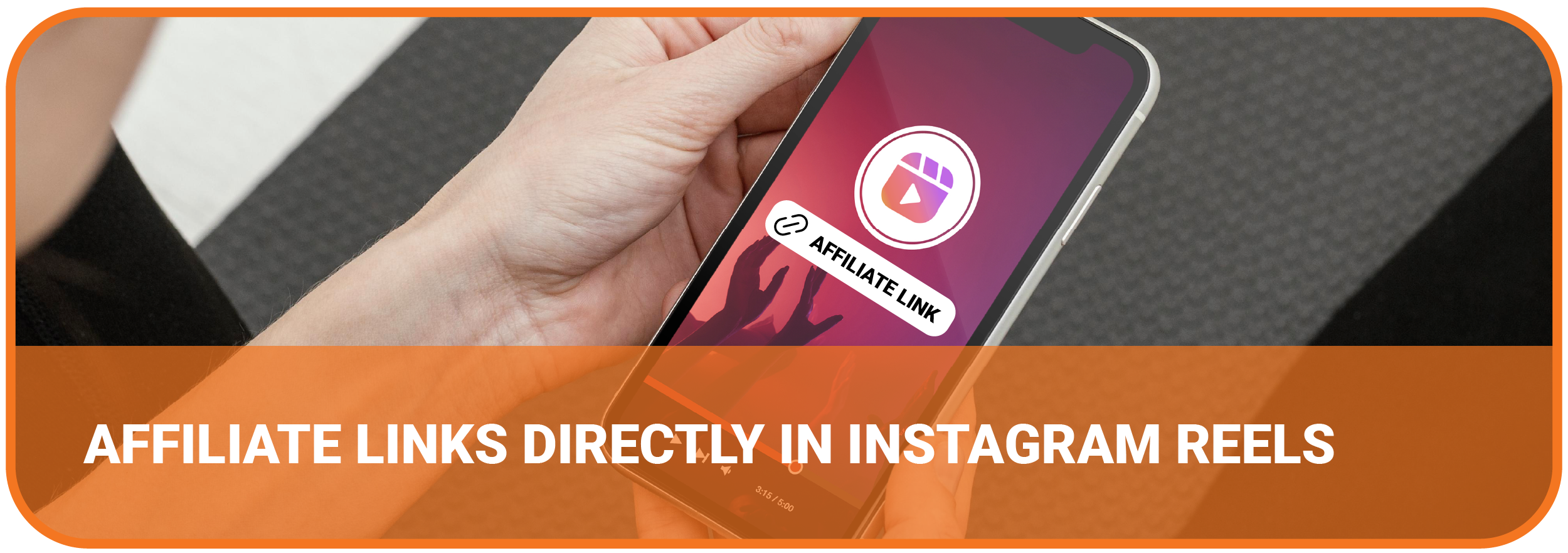
Affiliate Links Directly In Instagram Reels
Instagram now lets creators drop affiliate links straight into their Reels, so a viewer can go from watching a video to buying a product without hunting through a “link in bio.” It turns the most-watched format on the platform into a more direct path to a sale, with the shopping link living right where the attention already is.
Actions to take:
If you run creator or influencer partnerships, this is a reason to prioritise Reels in your briefs and make sure affiliate links are set up correctly so every view has a chance to convert. It also makes Reels a more measurable, revenue-driving channel.

Pinterest Amazon Storefront Linking
Pinterest has rolled out a feature that lets creators connect their Amazon storefront, giving them an easy, built-in way to drive affiliate sales straight from their pins to Amazon. Since people often use Pinterest specifically to plan purchases and gather product ideas, linking pins directly to buyable Amazon products fits naturally with how the platform is already used.
Actions to take:
If Amazon is part of your sales mix, or you partner with creators who sell on Amazon, it’s worth building Pinterest into your strategy now and creating pins around products people are actively searching for. It also opens up affiliate partnerships with Pinterest creators as a low-friction way to reach buyers who are already in a planning-and-purchasing mindset.
Video Covers for LinkedIn Newsletters and Articles
LinkedIn now lets you add a video as the cover for your newsletters and articles, instead of just a static image. It’s a small change on the surface, but it makes long-form content more eye-catching in the feed, and it lands at a time when video on LinkedIn is booming, with viewership up 36% year over year.
Actions to take:
For marketers, this is an easy, low-effort way to make your articles and newsletters stand out and ride LinkedIn’s strong push toward video. If you publish thought-leadership content or a company newsletter on LinkedIn, start adding short, engaging video covers to lift visibility and clicks.
Reminder: All videos on LinkedIn are muted by default, so it is important to add captions to your video and not to rely on voiceover for this new feature.
More broadly, it’s another nudge that video is now the format LinkedIn is favouring, so building a habit of leading with video, even in places that used to be text-and-image, is a smart move heading into the rest of 2026.