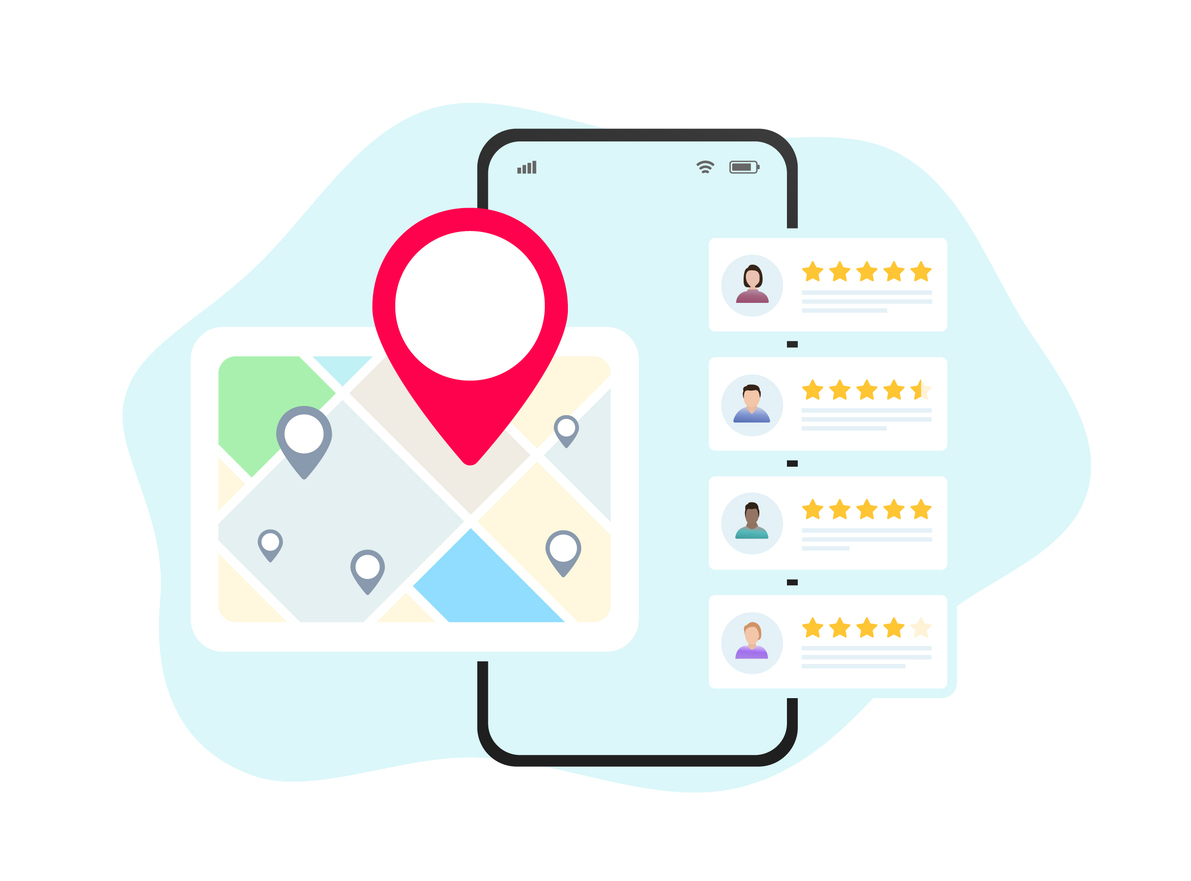
(And Why It Matters More Than Ever in an AI-Driven Search World)
For many mid-size businesses, Google Business Profile (formerly Google My Business) sits firmly in the “we set that up years ago” category.
It exists.
It’s technically live.
And it’s rarely revisited.
But in 2026, that approach is quietly costing businesses visibility, trust, and enquiries.
Search behaviour has changed. Google results pages are no longer just ten blue links. AI Overviews, map packs, zero-click searches and conversational answers now dominate how people discover businesses, particularly local and service-based ones.
Your Google Business Profile is no longer just a map listing.
It’s a data source.
A trust signal.
And increasingly, a reference point for AI-powered search tools.
For mid-size businesses, especially those operating in competitive cities like London, optimising your Google Business Profile is one of the simplest, highest-impact actions you can take to improve visibility without increasing ad spend.
This guide breaks down how to do it properly, and why businesses working with a London SEO agency are paying closer attention to it than ever before.
Why Google Business Profile Still Matters (More Than Ever)
Google Business Profile (GBP) influences far more than just where you appear on Google Maps.
A well-optimised profile helps:
-
Increase visibility in the Local Pack
-
Improve click-through rates from search
-
Build trust before someone even reaches your website
-
Reinforce brand legitimacy for AI-driven search tools
For businesses competing in saturated markets, finance, healthcare, professional services, recruitment, and marketing, visibility is rarely about doing more. It’s about doing the fundamentals better.
From an AI perspective, platforms like Google’s AI Overviews, Gemini and even third-party tools such as ChatGPT rely on clear, consistent signals to understand:
-
Who you are
-
What you do
-
Where you operate
-
Whether you’re credible
Your Google Business Profile feeds all of that.
What Google (and AI) Uses Your Business Profile For
Google Business Profile acts as a central reference point for your business entity.
It supports:
-
Local search rankings
-
Brand validation
-
Knowledge Graph entries
-
AI-generated summaries and answers
Search engines and AI systems favour businesses that demonstrate:
-
Consistency across platforms
-
Clear categorisation
-
Regular activity
-
Genuine customer feedback
This is why a reputable London SEO agency will never treat GBP as a standalone task. It’s part of your wider SEO, brand and authority ecosystem.
Nail the Foundations: Optimising the Core Profile Setup
Most visibility issues stem from poor foundations.
Start here.
Business Name (Accuracy First)
Your business name must match your real-world branding — signage, website, legal documents.
Keyword stuffing may offer short-term gains, but it risks suspension and long-term damage.
Clarity > cleverness.
Categories: One of the Most Important Ranking Factors
-
Choose the most accurate primary category
-
Add relevant secondary categories where appropriate
-
Avoid trying to cover everything you could do
Categories help Google understand what type of business you are, not just what you offer.
Address, Service Areas & Contact Details
-
Ensure your address is correct and formatted consistently
-
Set service areas accurately if you serve multiple locations
-
Double-check phone numbers and URLs
Inconsistent data confuses both users and machines.
Write a Business Description That Works for Humans and AI
Your business description is often overlooked — and badly written when it’s not.
A strong description should clearly answer:
-
What you do
-
Who you help
-
Where you operate
-
What makes you different
For example, rather than vague marketing language, focus on plain English clarity.
This is where mentioning positioning, such as being a London SEO agency supporting mid-size businesses, helps reinforce relevance without over-optimisation.
AI tools favour clarity.
Humans do too.
Visual Optimisation: Photos, Videos & Brand Signals
Images are one of the biggest drivers of conversions on Google Business Profiles.
High-quality visuals:
-
Increase profile engagement
-
Build trust before first contact
-
Reinforce legitimacy
Recommended uploads include:
-
Office or workspace photos
-
Team imagery
-
Behind-the-scenes shots
-
Branded graphics
-
Short, informal videos
Regularly updated visuals signal that your business is active, something both Google and AI systems respond positively to.
Reviews: The Strongest Trust Signal You Control
Reviews are not just social proof; they are data points.
They influence:
-
Local rankings
-
Click-through rates
-
AI sentiment analysis
For mid-size businesses, the goal isn’t volume alone. It’s consistency, relevance and quality responses,
Responding to reviews:
-
Shows engagement
-
Reinforces expertise
-
Allows natural keyword use
-
Demonstrates professionalism
This is one area where a strategic London SEO agency will often support clients with templates, workflows and reputation management processes.
Products, Services & FAQs: Feed the Machine Clear Information
The more structured your information, the easier it is for search engines and AI tools to understand you.
Optimise:
-
Service listings with clear descriptions
-
Product sections where applicable
-
FAQs that reflect real customer questions
Think conversationally. Many AI searches now mimic how people actually speak.
If someone asks, “Which London SEO agency helps mid-size businesses grow organically?” — is your profile helping answer that?
Measuring Success: What to Track (Beyond Vanity Metrics)
Google Business Profile Insights provides valuable data, if you know what to look for.
Focus on:
-
Discovery searches (non-branded visibility)
-
Website clicks
-
Call actions
-
Direction requests
The real value comes when GBP data is reviewed alongside GA4, CRM enquiries and true sales conversations.
Visibility only matters if it supports growth.
Common Google Business Profile Mistakes Mid-Size Businesses Make
Some of the most common issues we see include:
-
“Set and forget” profiles
-
Over-optimisation with keywords
-
Ignoring or mishandling reviews
-
Inconsistent brand information
-
Treating GBP separately from SEO strategy
These mistakes don’t just affect Google, they weaken your presence across AI-powered platforms too.
How Google Business Profile Fits Into a Bigger Visibility Strategy
Google Business Profile works best when aligned with:
-
Thought leadership
-
PR and brand mentions
-
Review generation
This joined-up approach is why businesses often turn to a London SEO agency rather than handling optimisation in isolation.
It’s not about hacks.
It’s about cohesion.
The future of search is:
-
Conversational
-
Context-driven
-
Trust-led
Businesses that win visibility are those that make it easy for humans and machines to understand who they are and why they matter.
Optimising your Google Business Profile is not a quick fix, but it is one of the lowest-effort, highest-impact visibility actions available to mid-size businesses right now.
If your profile hasn’t been reviewed in the last six months, that’s your opportunity.
Because in a world of AI-generated answers, clarity beats noise every time.
More you need to know about Marketing
Marketing Disruptor | August 2026
Here it is, your August 2026 Marketing Disruptor — Lots of juicy updates, so let's dive in! Google Search Console Now Measures Social Content Google added a property type to Search Console ...
Marketing Disruptor | July 2026
Welcome to your July 2026 Marketing Disruptor — If you've been paying attention, you've noticed something: digital marketing just got harder. Not because the platforms are bad. But because they're all becoming different. Instagram's ...

Marketing Disruptor | June 2026
In this edition of the Marketing Disruptor — If you've been paying attention, you've noticed something: digital marketing just got harder. Not because the platforms are bad. But because they're all becoming different. Instagram's playing ...
Have more questions about dominating Google Search?