Why Video Can Strengthen — Not Weaken — Your Website’s SEO
At Brandlective, we specialise in organic search strategies that help businesses grow sustainably. SEO is at the core of what we do — and while video is just one piece of a larger SEO puzzle, we believe it plays an increasingly important role in driving meaningful results.
However, we attended a webinar where an SEO expert claimed that embedding video on your website is harmful to SEO. Their argument? It slows down your site and drives traffic away.
We respectfully disagree.
Page Speed Isn’t the Problem — Poor Optimisation Is
It’s true that large video files can hurt page load times. But modern web technologies give us plenty of tools to mitigate this:
-
Lazy loading ensures videos don’t load until they’re needed.
-
Lightweight embedding techniques reduce load on initial page render.
-
Responsive video design ensures smooth experiences across devices.
When implemented properly, video won’t be the bottleneck slowing your website down. In fact, poor image optimisation, bulky code, and uncompressed files are often the bigger culprits.
We believe video, when used strategically, can actually enhance your website’s SEO performance — not damage it.
Embedding videos on your website can have a very positive impact on SEO — but it depends on how they are implemented. Here’s how videos affect SEO:
1. Increased Dwell Time (Time on Page)
- Videos encourage visitors to stay longer on your website.
- Search engines like Google interpret longer dwell time as a signal that your content is engaging and valuable, which can help boost rankings.
2. Enhanced Engagement
- Pages with videos typically see higher engagement rates (e.g., more time spent, more interactions).
- Engagement metrics (like time on site and lower bounce rates) are behavioural signals that can indirectly improve your SEO.
3. Rich Snippets and Video SEO
- If you properly mark up your videos with Schema.org video structured data, your page can show a video thumbnail in search results.
- This “video rich snippet” can increase click-through rates (CTR) dramatically, giving you an edge in the SERPs.
4. Content Diversity
- Google rewards pages that provide a variety of content formats: text, images, and video.
- Videos can make your page more comprehensive, satisfying different user preferences (e.g., some prefer watching over reading).
5. Potential for Backlinks
- High-quality, useful videos can attract backlinks — a key ranking factor.
- Video content is often more shareable and can drive external links if others embed or reference your video.
6. Mobile Friendliness
- Videos can enhance the mobile experience if they load quickly and are responsive.
- A good mobile experience is essential for SEO, especially since Google uses mobile-first indexing.
Potential Pitfalls
- Slow Load Times: Poorly optimised videos (e.g., large file sizes or auto-play without user control) can slow down your site, harming SEO.
- Incorrect Embedding: Hosting videos incorrectly (e.g., self-hosted with no CDN) can hurt page speed.
- No Metadata: Failing to add video titles, descriptions, or schema markup can limit SEO benefits.
- Duplicate Content: Embedding YouTube videos can send SEO value back to YouTube unless you create original video content or ensure your page is more valuable overall.
Best Practices for SEO-Friendly Video Embedding
- Use a fast, reliable host (e.g., YouTube, Vimeo, or a professional hosting solution like Wistia).
- Embed the Video Using Lazy Loading. See our example below:
loading="lazy" delays loading the video until the user scrolls near it, improving page speed.
- Optimise load time — lazy-load videos so they don’t slow down page speed.
- Add video schema markup to help search engines understand and index your video content. See an example below:
This helps Google pull your video thumbnail and information into search results (video snippets).
- Create a transcript or detailed description to make the video content accessible and add keyword relevance.
- Custom thumbnail to improve click-through rate.
- Ensure mobile responsiveness for all videos.
Videos Can Be Embedded Without Driving Traffic Away
The concern about sending traffic away often relates to embedding YouTube videos. If that’s a worry, there are solutions:
-
Professional hosting platforms like Wistia, Vimeo Pro, or even self-hosting with a CDN.
-
Disable related videos on YouTube embeds to minimise distractions.
-
Keep your page content rich so that video enhances, not replaces, the user experience.
The key is strategic placement. Video should support your SEO and content goals — not divert from them.
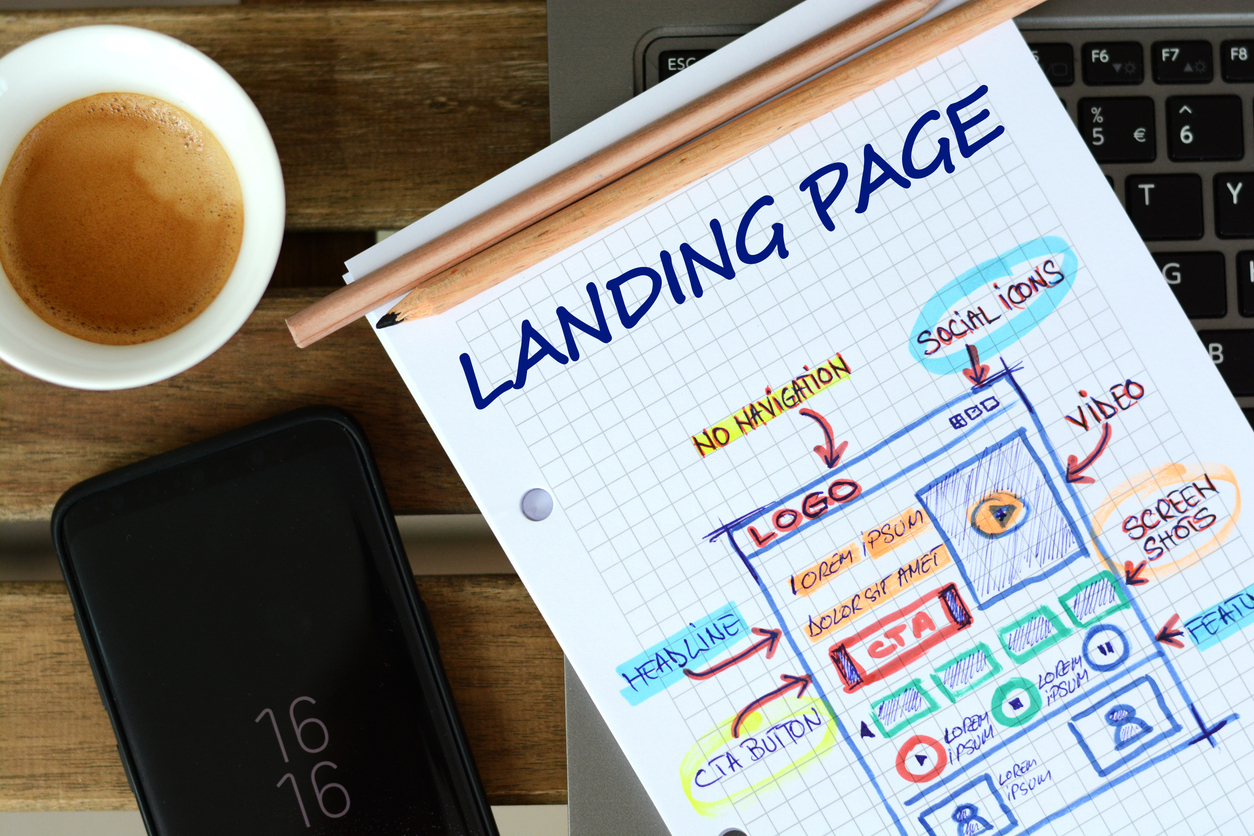
Does the Placement of Video on a Web Page Matter?
Yes, it absolutely does — both for SEO and user experience.
Here’s how:
Above the Fold vs Below the Fold
-
Above the Fold (what users see without scrolling):
-
Pros: Grabs immediate attention, encourages engagement quickly.
-
Cons: If the video loads before your text or core content, it can slow perceived page speed.
-
Best practice: Lazy-load videos so they don’t delay initial content load. Use a placeholder or static thumbnail.
-
-
Below the Fold:
-
Pros: Lets your page load faster initially (important for Core Web Vitals like LCP — Largest Contentful Paint).
-
Cons: Slightly lower chance the user sees the video without scrolling — unless your content leads them to it.
-
Contextual Relevance
-
Place the video near related text content.
-
If your video explains a concept or product, place it within or just after the section where that topic is introduced.
-
Avoid hiding it at the very bottom unless it’s a bonus or supplementary content.
Number of Videos
-
Stick to one primary video per page if possible.
-
Multiple videos can dilute focus and slow down page loads further.
🔹 Technical SEO Tips
-
Always use lazy loading.
-
Add a custom thumbnail optimised for speed (lightweight JPEG or WebP).
Our View at Brandlective
SEO is never about one-size-fits-all solutions. Every tactic — including video — must be assessed in the broader context of user experience and search intent.
When thoughtfully integrated, video is a net positive for SEO:
-
It boosts engagement.
-
It enhances the richness of your content.
-
It caters to how people actually prefer to consume information today.
In 2025 and beyond, SEO isn’t just about keywords and backlinks — it’s about building sites that engage, inform, and retain users. Video, done right, is part of that strategy.
If you’re serious about scaling your organic search presence, ignoring video isn’t just cautious — it’s limiting.