AI has changed the game… but marketers still run it.
AI hasn’t replaced marketing.
It’s raised the standard.
We’re entering a phase where average execution is easy, but meaningful results are harder to achieve than ever. Tools can generate content in seconds, but they can’t decide what matters, what aligns, or what actually drives growth.
That’s why this year, we’re shifting the conversation.
New year. New format.
Our Marketing Disruptor is about businesses understanding the role of the marketer in the age of AI. Not as a button-pusher or content machine, but as the strategist, interpreter, and decision-maker behind the tools.
Each update will explore how AI is changing marketing in real, practical ways and what that means for the people responsible for making it work.
You’ll see what’s now possible to do yourself, where AI can save time and effort, and where expertise, experience, and nuance still make the difference.
Let’s dive into the February edition!
.
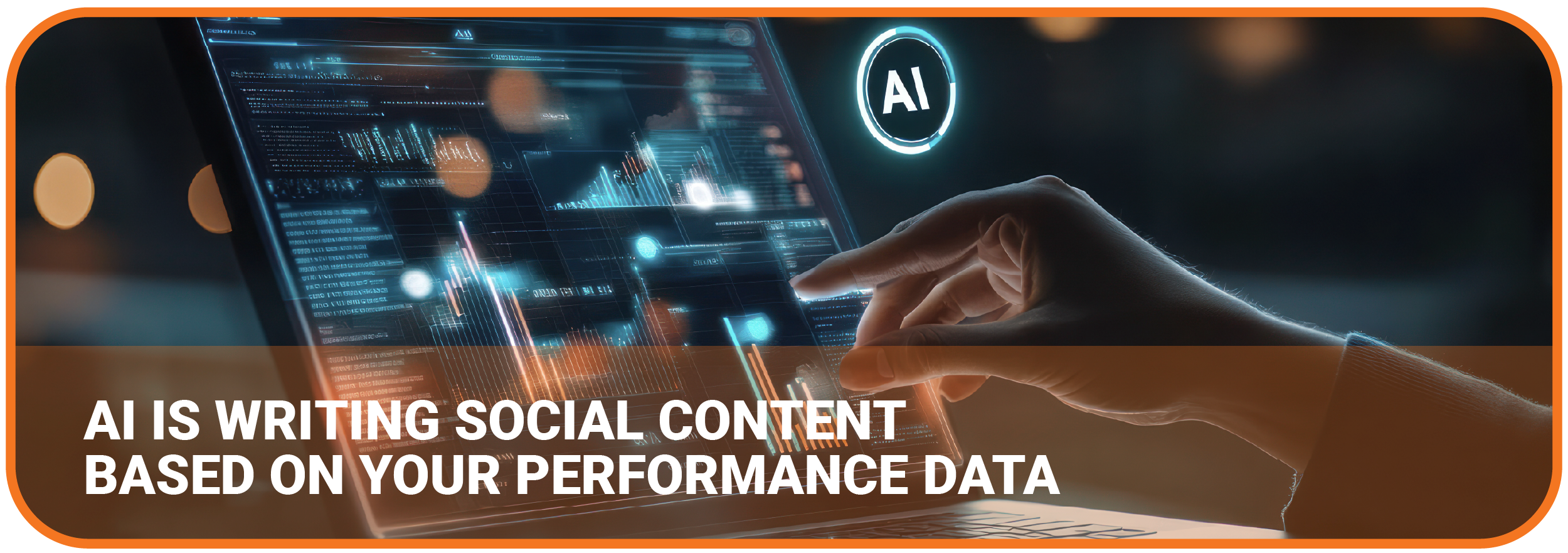
AI Is Writing Social Content Based on Your Performance Data
Platforms:
Instagram, Facebook, LinkedIn, TikTok
What’s happening?
These platforms now use AI to analyse your previous posts, looking at saves, watch time, shares, comments, and drop-off points — then suggest captions, hooks, or formats that are statistically more likely to perform for your audience.
What this means:
AI isn’t guessing anymore. It’s learning from your own data.
How this affects marketers:
This speeds up ideation massively, but it also means generic content will all start to look the same. The brands that stand out will be the ones who know when to override AI suggestions in favour of brand voice, timing, and strategy.
The role of the marketer now:
To decide when to follow the data and when to protect brand voice, long-term positioning, and originality. AI repeats what worked. Marketers decide what should work next.
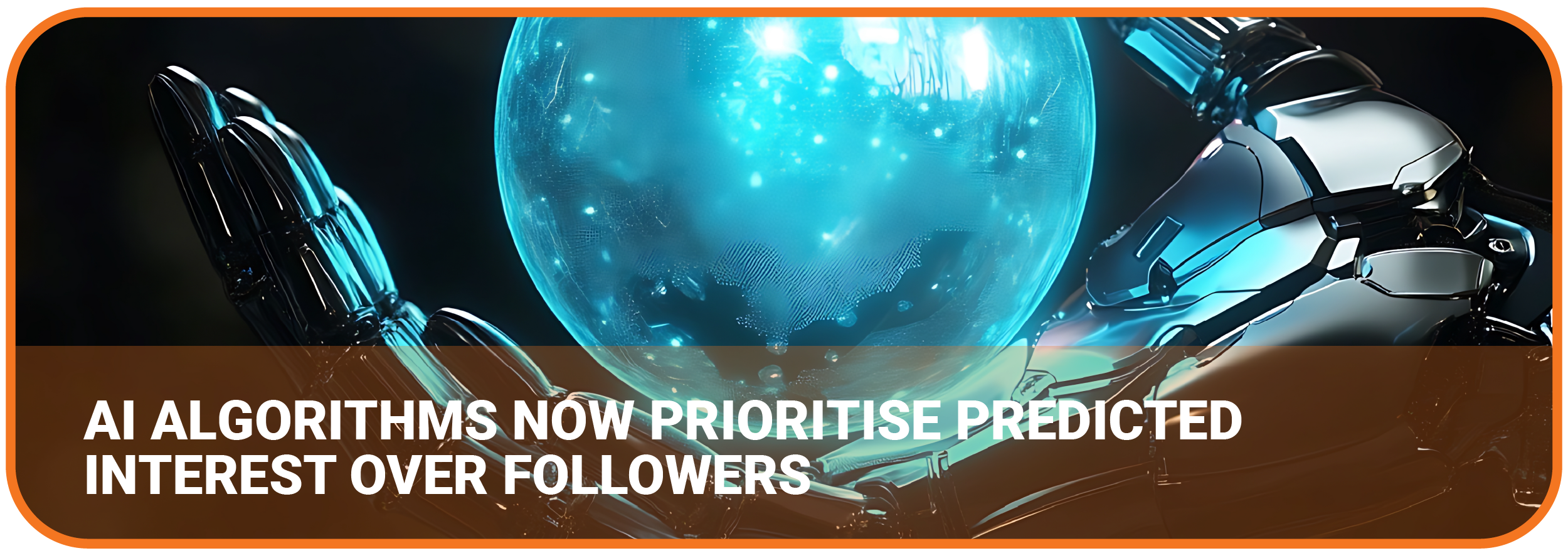
AI Algorithms Now Prioritise Predicted Interest Over Followers
Platforms:
TikTok, Instagram, Facebook, YouTube Shorts
What’s happening?
AI now predicts whether someone will care about a piece of content, regardless of whether they follow you.
What this means:
Follower count matters less. Content relevance matters more.
How this affects marketers:
We focus less on posting often and more on content clusters, audience intent, and signal strength (watch time, rewatches, saves).
The role of the marketer now:
To create clear, intentional content clusters that signal who the content is for, what problem it solves, and why it matters, instead of chasing growth for growth’s sake.
AI Can Repurpose Content Across Platforms
Platforms & tools:
Meta, TikTok, Google ecosystem, AI tools like Descript & Opus Clip
What’s happening?
AI can now take one long-form piece of content and turn it into reels, captions, emails, and ads automatically.
What this means:
Consistency is easier than ever.
How this affects marketers:
To define message hierarchy, platform nuance, and restraint. This involves deciding what should be repurposed, what should be rewritten, and what should never be automated.
The role of the marketer now:
You can be everywhere — but without strategy, you risk being noisy instead of memorable.
AI Detects Content Fatigue Before Engagement Drops
Platforms:
Meta, LinkedIn, TikTok analytics
What’s happening:
AI tracks subtle signals like slower scrolling, fewer rewatches, and shorter view durations to predict when audiences are losing interest, even if likes look stable.
What this means:
You can see engagement problems before performance drops.
How this affects marketers like us:
We can adjust formats, hooks, and angles early — instead of reacting after reach collapses.
The role of the marketer now:
To interpret why fatigue is happening, whether it’s the hook, format, frequency, or messaging, marketers show you how to adjust strategically instead of reacting emotionally.
Paid Social AI Optimises Faster — But Without Context
Platforms:
Meta Ads, Google Ads
What’s happening?
AI automatically tests audiences, creatives, placements, and bids with minimal human input.
What this means:
Campaigns launch faster and optimise quicker.
How does this affect marketers?
We focus on setting boundaries like defining objectives, exclusions, messaging hierarchy, and funnel stages, so AI doesn’t optimise for the wrong outcome.
The role of the marketer now:
To set strategic guardrails. Marketers can support you in defining objectives, exclusions, funnel stages, and success metrics, so AI optimises for meaningful outcomes, not just cheap results.
AI Is Analysing Comments, DMs, and Mentions at Scale
Platforms & tools:
Meta, LinkedIn, TikTok, social listening tools powered by AI
What’s happening?
AI scans thousands of conversations to identify patterns in objections, questions, frustrations, and desires.
What this means:
You now have access to audience insights that used to take months to uncover.
How does this affect marketers?
We turn raw insights into messaging, offers, content themes, and ad anglesnot just reports.
The role of the marketer now:
To turn insight into positioning, messaging, and special offers, not just dashboards. Insight without interpretation doesn’t move the needle.
AI Is Identifying Trends Earlier Than Humans
Platforms:
TikTok, YouTube, Instagram
What’s happening?
AI spots early increases in search behaviour, content formats, and topic interest before trends explode.
What this means:
Brands can enter conversations earlier when attention is cheaper.
How this affects marketers:
We assess trend relevance, timing, and brand alignment because not every trend is worth jumping on.
The role of the marketer now:
To assess brand relevance, risk, and longevity. Experienced marketers are on top of trends and will recommend which ones to enter early and which to ignore entirely.