Disruptive: (adjective): Causing or tending to cause disruption, being innovative or groundbreaking. To be disruptive means to prevent something from continuing or operating in a normal way. Normal is boring when it comes to marketing.
Is your marketing a bit beige?
Does it lack excitement?
Then, your customers aren’t engaged either. Given recent events and general trends, we are now all online more than ever. That makes digital space a saturated market, so how can you stand out from the crowd?
By being disruptive.
Being disruptive doesn’t have to be difficult, but you have to adopt a bold mindset to really make it work.
“Disruption is all about risk-taking, trusting your intuition, and rejecting the way things are supposed to be. Disruption goes way beyond advertising, it forces you to think about where you want your brand to go and how to get there.”
– Richard Branson.
Disruptive marketing is taking all the marketing rules you’ve summoned and throwing them in the trash can. Why? Because the online world is demanding more, and if you’re not shaking things up, then you’re getting left behind. The ultimate goal is to inspire and excite customers by delivering experiences that encourage an emotional response.
How do you do that? We hosted a workshop for Small Business Britain & BT #SkillsforTomorrow about how to cut through the noise and get noticed and here is what we covered:
Make your brand memorable by being BOLD & BRAVE
Example #1: Dove’s ‘real beauty’ campaign

Dove shook things up by rejecting the physical standards of female models to promote more realistic body types, to promote their skincare range. Back in 2006, this move was quite a big risk, fast forward to today and it’s almost expected or at least encouraged. But 14 years ago, this was the definition of disruptive. This triggered an emotional response as it inspired and related to so many women across the world. The truth is, Dove probably had no idea how this bold campaign would pan out, but what mattered is that they were willing to take the risk and make a stand.
Example #2: Patagonia’s reverse CTA (Call to action)
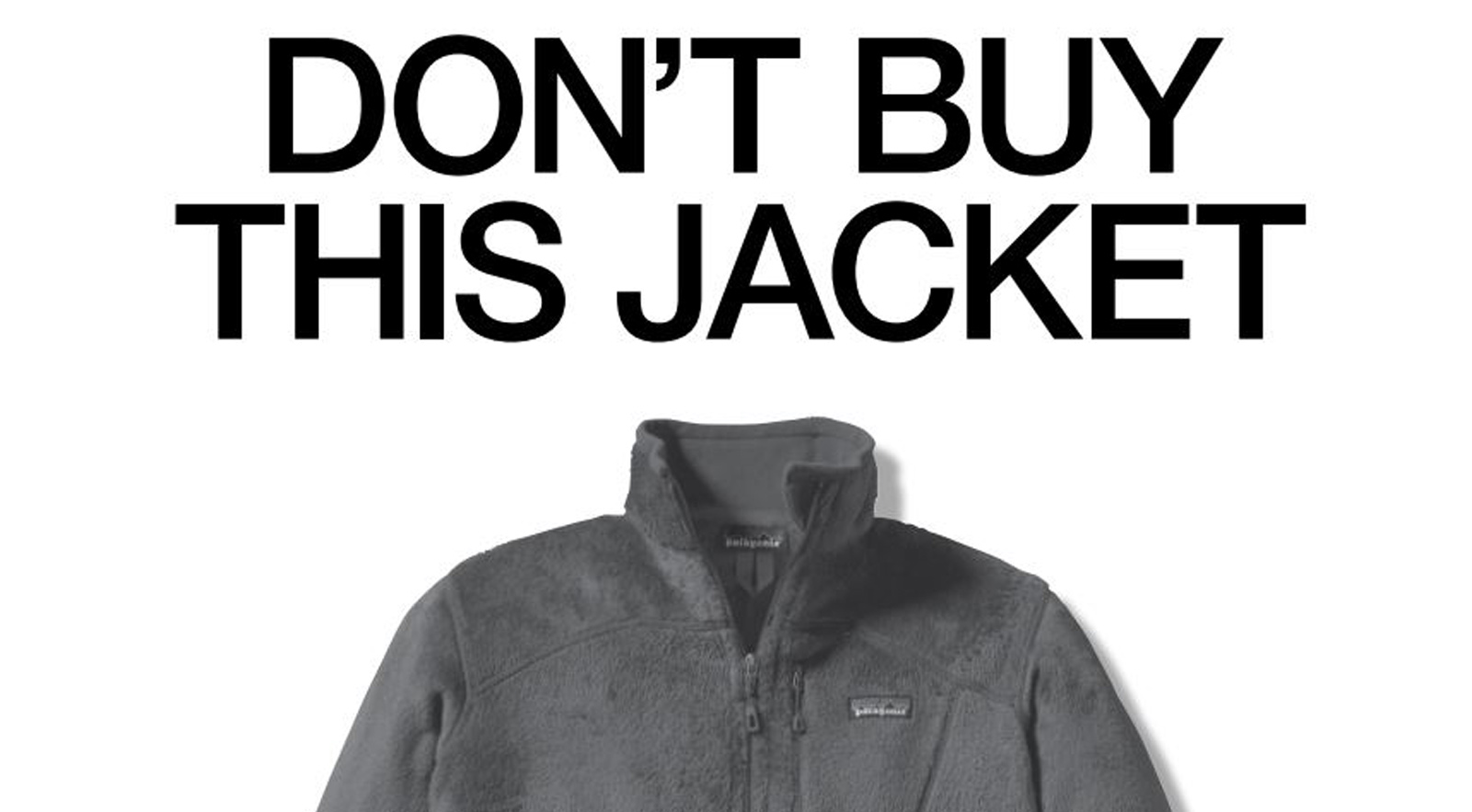
Patagonia are disruptive on every level and have made it a part of their ethos. They are loved and hated for their online presence, but they are brave and bold, and there is no arguing with that.
So back in 2011, their ‘Don’t buy this jacket campaign’ was priceless as it made their audience stop in their tracks and absorb the confusing message. But really, the message was that you shouldn’t buy what you don’t need, playing on their mission statement, which is that they make high-quality stuff that lasts for years. A company that wants you to buy less from them? That’s a bold message. How could you rethink your go-to CTA to surprise your audience?
Example #3: KFC reopening campaign
A more recent example, and relevant due to the COVID climate, is KFC and their reopening campaign. During lockdown, many people turned to re-creating things, and KFC was not forgotten.
So, with some attempts clearly more successful than others, the #RateMyKFC campaign was used to announce the reopening of their restaurants. See video below:
The ad ends with KFC reassuring consumers that “we’ve missed you too” but says the chain will “take it from here” when it comes to producing fried chicken. The tongue-in-cheek approach here really paid off as it brought peoples creations together, during an uncertain time, and everyone loves a bit of humour.
Example #4: Brand Rivalry from Burger King
And last but not least, we have to mention Burger King’s epic Halloween campaign. They encompass the use of their famous slogan, submerge themselves in brand rivalry and keep it seasonal as they took on Wendy’s and McDonalds in their latest advertising stint.

“Legend has it, they never flame-grilled” is among many short and sharp phrases used on the images of old derelict buildings where once stood Wendy’s or McDonalds. The campaign warns customers away from these chains, in a spooky, funny manner and we are here for it. This is another bold, disruptive strategy that gets people talking.
“To us, nothing is scarier than a place that never flame-grilled,” said Ellie Doty, Chief Marketing Officer of Burger King North America.
Legend has it, brand rivalry is healthy when executed in the right way and it is absolutely disruptive.
So to wrap up, in case the above didn’t persuade you, why should you invest in disruptive marketing campaigns?
1. Customers talk about disruptive marketing
2. Disruptive marketing can be affordable
3. It’s easy to get behind
4 key types of disruption you can try in your marketing:
Humour / Fun
Humorous content deflects attention from the fact that your posts are designed to market a product or service. But remember, be funny, not offensive. It is important to remember that crude or offensive humor will likely turn off your audience unless you are a brand that is known for stepping over the line.
Social Impact
With a growing focus on sustainability efforts, marketing is in a unique position to elevate its focus from managing relationships with customers to strategically managing a broader set of marketplace issues. If you’re passionate about the environment, human rights or supporting important economic issues – this can be a great way to capture your audiences attention.
Polarising Viewpoint
If you try to appeal to everyone, you won’t necessarily appeal to anyone in particular. In a world of clutter, the last effect a brand can afford to create is indifference. The poster brand of Polarisation is Marmite, the classic yeast food spread in the UK. Their brand platform is literally, “love it or hate it,” an insight they’ve been tapping for 20 years.
Brand = Colour / Language
In advertising, your design catches your audience’s eye and points their attention to your copy. Then, it’s your copy’s job to hold your audience’s attention.
That’s why you can understand visual information in 250 milliseconds and why your visual system activates over 50% of your brain. Visual storytelling is the best way for people to grasp concepts and data easily.

For instance, in LEGO’s ad, they only use two images, a simple lego creation and a shadow of a dinosaur, but you can instantly form a concrete understanding of its core idea — with Lego, you can create anything.
To hear more examples of how you can take advantage of these 4 types of disruption, tune into our Podcast episode where we discuss some cut-through, awesome examples of how small businesses have nailed it:
Listen on iTunes: Disruptive Marketing
Listen on Spotify: Disruptive Marketing
If you dare to achieve even better results, challenge yourself to take a risk – and see what happens.
Think you need Brandlective’s help? Contact us to learn about our disruptive strategy sessions!